
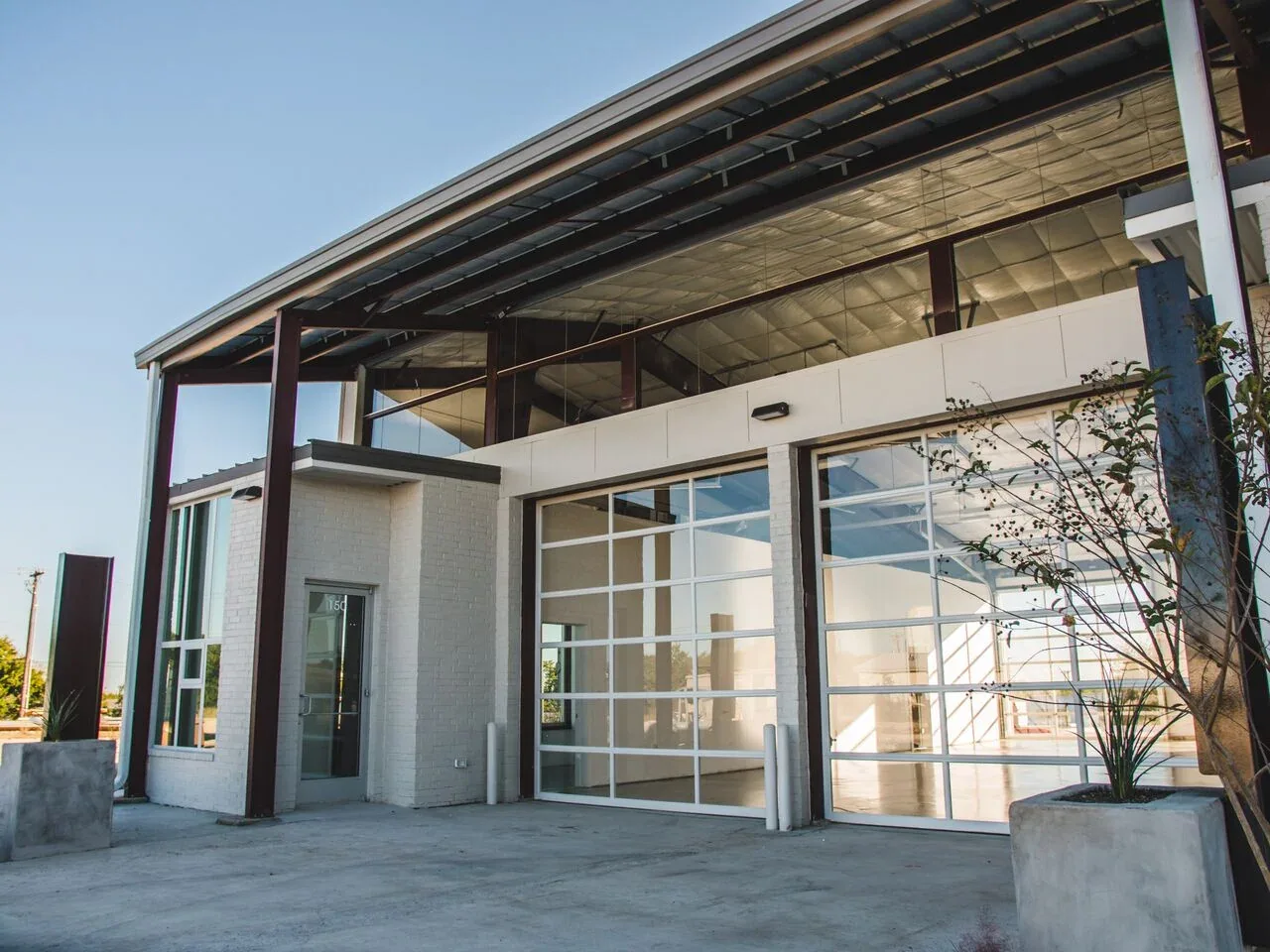
Flex buildings change tenants and the roof pays for it. Every new tenant brings a rooftop unit, a vent, a conduit or an exhaust fan, and every one of them is a hole. Flagstaff, AZ adds snow on top of that. Yearly snow of 90 to 97 inches finds every gap on a roof crowded with units and vents. So the plan has two parts. Check the load and the drains before winter. Then track every penetration so the roof does not turn into a sieve.
Owners want to keep spaces rented. A dry roof is the cheapest way to do it.
Count the holes. A flex roof can carry a unit for each bay, a few exhaust fans and several vents. Each one needs a curb or a boot, and each one needs sealing to the sheet. Snow piles against them and melts into the gaps. Within days, a late-February 2023 storm put 24.5 inches of snow on parts of Flagstaff, and roofs failed under it. The weight sits on the roof and the meltwater tests every detail.
We map every penetration on the plan, with its age, its flashing and its owner. When a tenant adds a unit, we want to know. Our rooftop equipment curb work covers raising low curbs, replacing failed flashing and building supports that spread weight. A curb buried in a drift leaks at the base, so height matters here.
Conduit and pipe add more holes to count. Conduit runs across the surface, supported on blocks or sleepers. When blocks sit directly on the sheet, they rub and wear it, and snow pushes them out of line. We check every block, replace worn ones with proper supports and add walk pads where people cross the runs.
Flex buildings have tall walls, dock doors and sometimes two roof levels. Snow slides from the high roof onto the low one and builds a drift against the wall. That low roof can hold much more snow than the open field. We mark the drift lines in fall and check the low roof first after a big storm.
After that storm the city named drooping ceilings, bowing trusses and heavy leaks as the signs of an overloaded roof. In a flex bay, look at the ceiling line, the joists and the door track. The city and the county also share one phone line for reporting a doubtful roof after a big snow. If you see a flag, clear the bay and call us. Our snow and ice damage review follows every major storm.
Flat roofs live or die by their drains. Ice in a bay drain leaves meltwater standing against the dock wall. About a third of Flagstaff's yearly precipitation arrives with the July and August monsoon, and flex drains have to carry it. Monsoon cells in July and August drop a lot of water on big roofs, and the drains must keep up.
Before the monsoon we flush every bay drain to prove it flows. We add overflow scuppers where none exist. We check the dock side, where overhead doors open and trucks back in, because wind-driven rain and meltwater reach the edge there. Edge metal, coping and gutters take wear from trucks and snow plows. A bent coping cap or a pulled gutter lets water in. The first freeze comes in late September and the record is minus 30, so dock-side gutters start icing early.
A vacancy is the best time for roof work. Noise limits ease, access is easy and no one is under the work. We keep a short list of lease dates beside the roof plan and match projects to vacancies. If a tenant leaves a bay, we can inspect the roof from inside and out, test for moisture and make repairs before the next tenant arrives.
Tenant improvements need a rule: no one cuts the roof without calling a roofer. A hatch log, walk pads and a written access policy cut down on punctures. When a tenant's contractor does damage the roof, the log and photos show it. For owners with several buildings, one file covers every site. A vacant bay in a warehouse or a manufacturing plant gives the same window, though a plant's process loads change the checks.
New tenants ask for new things. A bakery wants a hood. A lab wants fans. A shop wants a tall vent stack. We review each request against the roof: where the unit goes, how the curb is built and how the flashing ties to the sheet. A short written approval protects the roof and gives the tenant a clear path. It takes an hour and saves a leak.
Industrial land here is split among five parks off I-40 and I-17, with BNSF freight crossing town on the Southern Transcon next to Route 66. Gore, Nestle Purina PetCare, SenesTech and Joy Cone are among the larger employers in town. Light industry has a base here. Membrane, age and penetration count still differ from one building to the next.
The same checks fit buildings in Southside and Mike's Pike, the airport technology park and out west in Bellemont. Nothing about the walk changes. Walk the roof, probe the seams, check the flashing, clear the drains and write it down. An owner of a self-storage roof faces the same drift and turnover questions.
Call before the first heavy storm. Name the building, say what the roof is made of and tell us when it was last walked. We will schedule the sag and drain checks, map the penetrations and deliver a ranked list by bay. Reroofing a flex building means meeting the 2018 IBC and IECC the city adopted, with its 2019 changes.
The list sorts bays into fix now, watch and plan. It gives the owner a number for the budget year and a date for the next walk. It also helps at sale or refinance, since a clear roof file shortens a buyer's inspection and a lender's questions.
Walk it twice a year. Late fall catches what summer heat and monsoon rain did. Late spring catches what the snow and thaw did. Each walk adds a page to the file, and after two or three years the file shows how fast the roof is aging and when to plan the next big spend.
Keep a roof plan that lists each unit, its curb, its age and its tenant. Update it when equipment changes. We start the plan on our first walk and give you a copy to maintain.
Your lease decides. The hatch log, dated photos and our repair record show what happened. Keep all three and send them to the tenant or their contractor promptly.
Between tenants and in dry months. We schedule projects around lease dates and the freeze, which returns in late September. Plan big work for spring and summer.
On sloped sections above doors and walks, yes. Flat roofs rely on drains and drift management instead. We check each roof and advise.
It shows age, repairs, condition and cost ranges. A buyer's inspector gets answers faster, and the seller avoids surprises in negotiation.
Browse the services, roof systems and building types we work with across Flagstaff and nearby Arizona communities.
A walk of the roof with photos, findings and a written scope.
Active leaks, storm damage and blocked drains get a fast response.
Roofing across Flagstaff and nearby Arizona communities.