
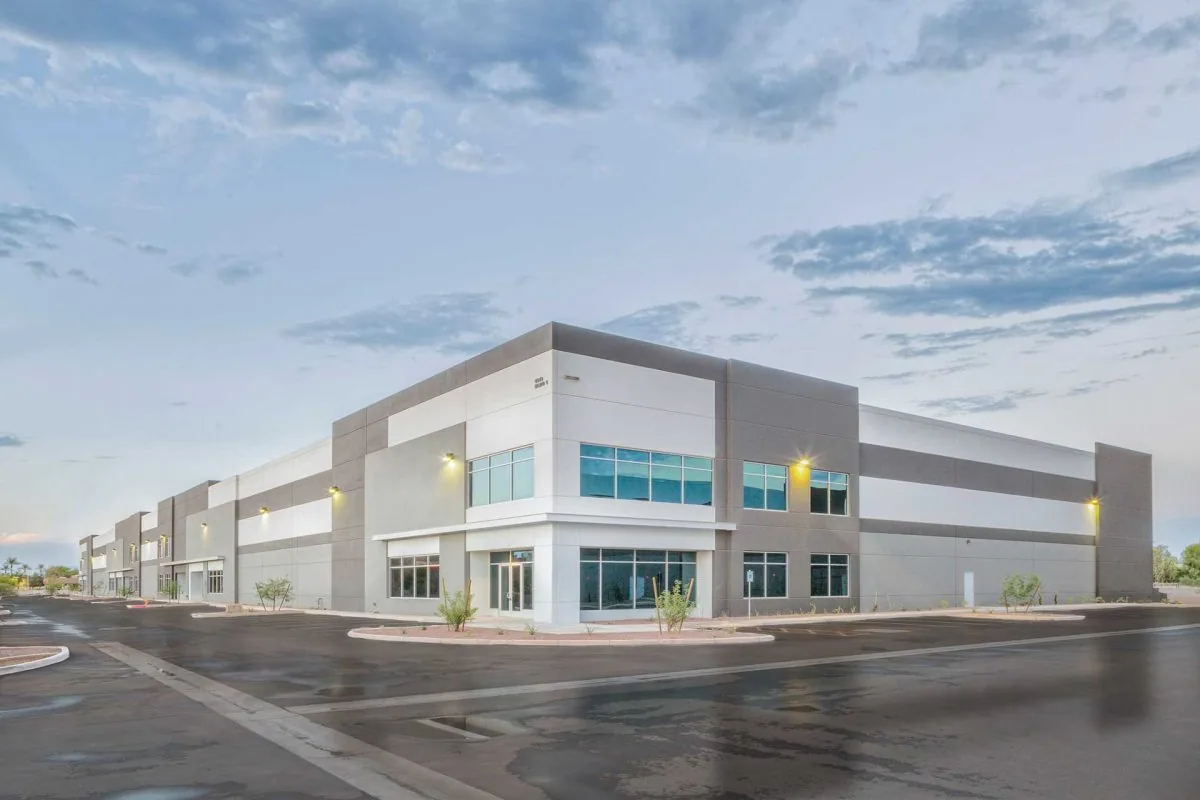
A plant roof melts unevenly, and that is the problem. Heat from the process below warms some areas. Snow melts there and refreezes at the cold edges. The result is a ridge of ice at a drain, a scupper or an eave. Flagstaff, AZ gets 90 to 97 inches of snow a year, so that cycle runs for months.
Call as soon as the first storm is in the forecast. Tell us the plant address, the kind of roof and when it was last walked. Sag and drain checks are timed to your production calendar.
Plants lose heat through the roof. Warm patches melt snow from below, and the water runs to cold zones and freezes. Ice builds where the roof is coldest. It blocks drains and pushes water under flashings. A roof that looks fine in January can leak badly in March.
Know where your warm and cold patches are. Walk the roof after a storm and note where snow melts first. Mark the refreeze zones on the plan. Those are the spots for added drains, heat tape or repaired flashing. They are not spots for another layer of sealant.
Manufacturing names fill the list of major Flagstaff employers. W. L. Gore and Associates employed about 3,060 people in Coconino County in 2017, and Nestle Purina PetCare, SenesTech and Joy Cone are on the list of major employers. Flagstaff's industrial parks, five of them, sit near I-40 and I-17, and Mike's Pike in Southside is a half-mile stretch of mostly industrial buildings in boxy metal, wood and concrete.
A plant roof can be a plain flat box. Another can carry sawtooth sections, skylights and tall process stacks. Each shape holds snow differently. A warehouse roof usually carries fewer penetrations than a plant. We read each plant roof on its own plan.
Food plants add another layer. A cold storage roof or a plant with refrigerated space brings vapor drive on top of snow load. A distribution center roof sees the same snow with fewer penetrations. We list these differences in the building file, so each roof gets the checks it needs.
Start at the penetrations. Exhaust fans, stacks, makeup air units and process lines each have a curb and a flashing. Snow drifts against them and freezes. Sealant cracks. Condensate lines freeze and burst. Check each curb for gaps, rust and loose fasteners. Our rooftop equipment curb and support work covers repair and replacement.
Then check the drains. A plant roof that ponds near an exhaust may be washing residue into the sheet. Test flow. Look at the sump. Photograph the standing water. Note any residue or staining under the exhaust, since some membranes soften or stiffen when contaminated.
Skylights and roof hatches need a look too. Domes crack in the cold. Hatch gaskets harden. Condensation on the underside of a skylight looks like a leak, and it is a different fix. Our work on skylight and penetration flashing separates the two. Check ladders, cages and access points before winter, since a crew must reach the roof safely after a storm.
A plant roof takes 20 to 22 inches of precipitation in a year, and the monsoon brings roughly a third of that. Summer storms test drains and flashings with sudden rain. Winter tests them with snow, ice and thaw. A detail that survives one season can fail in the other.
By late September the freezing nights return. Minus 30 degrees F is on the record. Sealants stiffen and open. Membranes shrink slightly and pull on flashings. After the first hard freeze, we recheck every detail we repaired. If one has moved, we fix the cause, not just the gap.
Sun adds to the cycle. Flagstaff gets about 78 percent of possible sunshine. South-facing slopes clear fast. North-facing ones hold snow for weeks. A plant roof with both has uneven load, and the deck under the heavy side carries more. We note which side holds snow, and plan shoveling and inspections there first.
Plant schedules are fixed. Agree on shifts, shutdowns and areas where overhead work is unsafe. Hot work needs permits and a fire watch. Hoists and cranes need clear paths. Crews follow plant safety rules, including lockout around rooftop equipment.
Snow removal needs the same discipline. The roof crew is named in advance. Plastic tools keep the sheet intact. Drift pockets and drains come first. Leave a thin layer on the sheet. Do not pile snow against curbs or stacks, where it will melt and refreeze at the base.
Contractor orientation comes first. Crews sign in, take the plant's safety briefing and carry required gear. Roof access is logged. Anyone who opens a hatch or moves a guard tells the plant supervisor. These steps keep a repair from becoming an incident.
Repair local failures with the right material. A patch of the wrong sheet fails in months near an exhaust. If the plant vents grease, oils or chemical vapor, consider PVC, which resists contamination better than a basic sheet. Where wet insulation covers wide areas, plan a replacement and use the chance to add insulation and drains.
A moisture survey and a few cores set the scope. Add a cover board under the new sheet where foot traffic or hail is a risk. Specify an attachment that tolerates cold and movement. Record the materials and methods in the building file.
Think about the successor roof before tear-off. Snow country favors fewer penetrations, taller curbs and flashing that sheds ice. Move vents to the warm side of the plant if you can. Raise units above the drift line. Add snow guards where sliding snow could hit a loading area. Small design changes prevent winter leaks for years.
Map the warm and cold zones. Add drains and heat tape where ice forms. Put the fall walk and the post-thaw check on the calendar. Rank plant roofs by span, age, exhaust exposure and the value of what sits below. Spend on the worst first, and call before the first storm, giving us the plant address and your last walk date.
File every repair on a dated plan. When the next storm comes, you can see what changed.
Heat from below melts snow in patches, and the water refreezes at cold edges. Ice backs meltwater under flashings. Put drains or heat tape where the ice forms and fix the edge, not just the drip.
Usually. Work in sections, protect equipment below, and agree on stop points with plant safety staff. Hot work needs permits. Loud steps move to quiet shifts when the plant allows.
Match the sheet to the vapor leaving the vents. Grease and chemical vapor attack some sheets, and PVC resists contamination better. Tell us what vents and where, and we will recommend a sheet.
An infrared or capacitance survey maps wet zones from above. Cores then confirm the worst points. We repeat the survey after repairs to show the area is dry.
Only with a plan and the right gear. Use plastic tools, leave a thin layer, clear drains first and wear fall protection. If the roof sags or the structure looks stressed, stay off and call an engineer.
Browse the services, roof systems and building types we work with across Flagstaff and nearby Arizona communities.
A walk of the roof with photos, findings and a written scope.
Active leaks, storm damage and blocked drains get a fast response.
Roofing across Flagstaff and nearby Arizona communities.