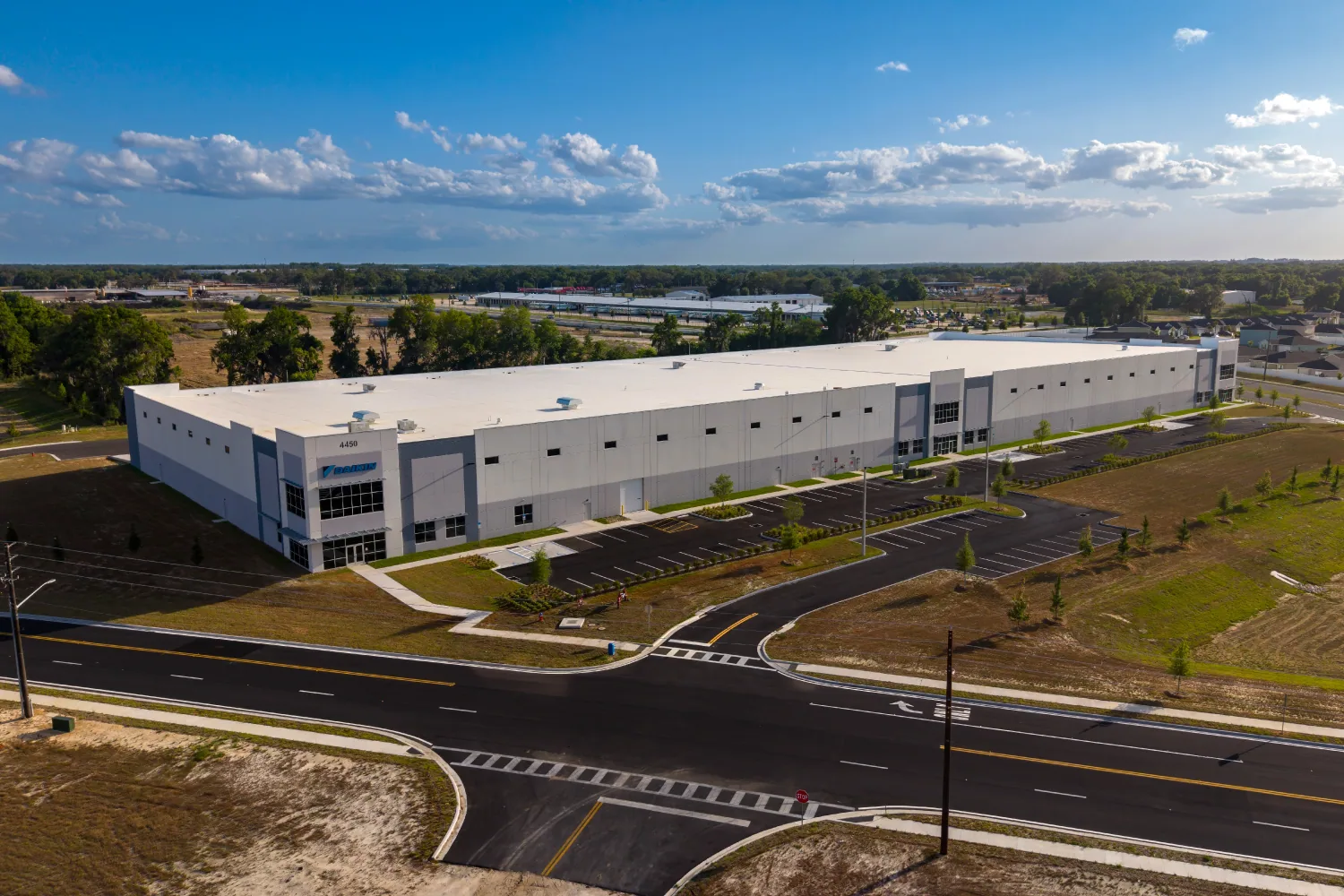
A plant roof carries more than snow. It carries exhaust stacks, make-up air units, dust collectors and piping, and it covers processes that cannot stop. A plant in Flagstaff, AZ carries heavy equipment under a heavy snow load, since the city sits near 7,000 feet and averages 90 to 97 inches of snow a year. When the roof fails over a line, production stops and product is at risk. So we start with what sits under each section, check load and drains before winter and fit repairs to the shutdown calendar.
Plant managers need a short list. What fails first, what it costs and when to do it.
A roof over a clean assembly area outranks a roof over raw storage. We map the roof against the plant layout and mark each section by consequence. The highest-risk sections get walked first and repaired first. Equipment on top adds load and details, so every curb and stack goes on the list.
Snow adds urgency. City officials tied several roof collapses to the February 28, 2023 storm, which dropped 24.5 inches in some areas by March 2, and told owners to look for sagging ceilings, bowing trusses and severe leaks. In a plant, watch the ceiling line over the floor, the crane rails and the doors. A plant manager who sees them can also reach the city and county line for structural roof problems. After each major storm comes a snow and ice damage review.
Crane rails and heavy hung loads change the structural picture. A bridge crane or a hung conveyor loads the frame in ways the roof drawings may not show. We note them on the plan and flag them to the plant's engineer when snow and equipment loads stack up. A roof repair never adds to hung loads without that check.
The city's five industrial parks lie near I-40 and I-17, and the BNSF Southern Transcon passes through town. Major employers include W. L. Gore and Associates, Nestle Purina PetCare, SenesTech and Joy Cone, and in 2017 Gore had 3,060 employees, second in Coconino County to Northern Arizona University's 3,500. Plant roofs in town still differ from one another. A plant on Mike's Pike, in the technology park district or out on I-40 at Bellemont goes through the same walk. Each plant gets its own walk, rated on its own terms. The questions are the same: what is on the roof, what is under it and how much service is left.
Plant roofs have many penetrations. Exhaust stacks discharge heat, moisture and sometimes chemicals. Dust collectors and fans vibrate. Piping crosses the membrane. Each is a flashing detail that moves and wears. We inspect each one, note staining, softened sheet and cracked sealant, and record it by location.
Walk routes need pads. Technicians service the same units on the same paths, and the membrane wears. Sun adds to it: The sun shines about 78 percent of the possible hours, near 3,475 a year, so coatings and sealants take a lot of UV. We check for chalking, cracking and thinning on each visit. A preventive maintenance plan with two visits a year catches most of it early.
Moisture matters inside a plant. Humidity from wet processes or washdown pushes vapor up toward the roof, where it condenses on cold deck. A roof that tests dry on the surface can still drip from condensation. We look for staining and rust on the deck underside, scan for wet insulation and tell the plant which fix belongs to the roof and which belongs to the air system.
Big roofs hold a lot of water when drains fail. When a drain is blocked under snowpack, the thaw makes a pond, and the pond adds weight to a roof already carrying snow. The July and August monsoon accounts for about a third of the 20 to 22 inches of precipitation Flagstaff receives yearly. Hard freezes resume in late September, and the record low stands at minus 30 degrees F.
In the fall, drains get cleared and tested, and a roof with no overflow gets one. Heat cable goes at any spot where ice forms in the same place every winter. A secondary drainage path is cheap compared with the cost of a collapsed roof or wet equipment. Drains get numbers and logs. If a drain clogs twice, the log shows it, and we look for the source, such as a nearby tree or a failing gutter.
The best time for roof work is a planned shutdown. We ask for the calendar early and fit the scope to it. Critical sections get done while the line is idle. Where no shutdown exists, we work in sections and close each at day's end. Our occupied building reroofing plan sets quiet hours, crane positions and debris paths.
Safety rules apply. Hot work needs permits and fire watches. Lifts and cranes need clear paths. Fall protection and skylight covers go up before the first step. Adhesives and sealants stall in the cold, so permanent work waits for milder, dry weather and winter repairs stay temporary. The written scope lists each step, so production, safety and the crew read the same plan. The approach also fits manufacturing plant roofs in general.
Material deliveries are part of the plan. Rolls of membrane, boards of insulation and bags of fasteners arrive by truck and have to be lifted to the roof. We set delivery windows that avoid shipping hours, stage materials away from dock doors and keep forklift routes clear. A written lift plan names the crane, the pick points and the exclusion zone below. Safety staff review it before the first load arrives.
Call before the first heavy storm. Bring the plant list, roof types and last walk dates. Next come the sag and drain checks, a ranking of sections by consequence and a cost range for each. Any replacement is designed to the 2018 building and energy codes plus the 2019 Flagstaff amendments.
A plant that also ships product shares dock-side edges and wide-roof drainage with logistics operators. Plants that expand work with general contractors, and we coordinate the roof scope with the building schedule. The file we keep serves all of them, and it grows with the plant.
Remaining service weighted by what sits below. A leaking roof over a production line moves up. We show the production exposure beside the repair cost so you can set the order.
Often, in sections. Sensitive areas wait for shutdowns. We close each section at day's end and keep lifts and debris paths away from people. Share your shutdown dates early.
Residue can soften membrane and attack sealants. We check around each stack and recommend protection, cleaning schedules and discharge changes where needed.
Permanent work is limited by cold. We make temporary repairs in winter and plan permanent work for dry, milder months. Emergency response runs around the clock either way.
Each section, its condition, the repair needed, a cost range and the production exposure. It goes into a file you can update each year.
Browse the services, roof systems and building types we work with across Flagstaff and nearby Arizona communities.
A walk of the roof with photos, findings and a written scope.
Active leaks, storm damage and blocked drains get a fast response.
Roofing across Flagstaff and nearby Arizona communities.