Freight does not stop for snow, and neither does the roof over it. A warehouse or cross-dock in Flagstaff, AZ sits where I-17 ends at I-40 and the BNSF Southern Transcon runs through the city, so trucks and trains keep moving through the winter. An average winter in Flagstaff brings 90 to 97 inches of snow. A wide, flat roof carries that snow over racks, stock and loading crews. When the roof fails, goods are lost and doors close. So the plan starts with load and drains, moves to the dock-side edge and ends with a calendar that keeps the building open.
Operations managers need a short answer. Which roof is at risk, what it costs and when to fix it.
Area is the problem. A large roof gathers a large amount of snow, and a drift behind a parapet or a high wall can multiply it. By March 2, 2023, some areas held 24.5 inches from the storm that began February 28; the city logged several collapsed roofs and flagged sagging ceilings, bowing trusses and severe leaks.
In a warehouse, look up. Check the line of the ceiling, the racking near walls and the doors. If something sags or sticks, clear the area and call. Anyone who spots those signs should call us and the city and county structural line, and both numbers belong by the dock office phone. We do not shovel a roof we have not inspected. A snow and ice damage review follows each major storm and starts with the frame.
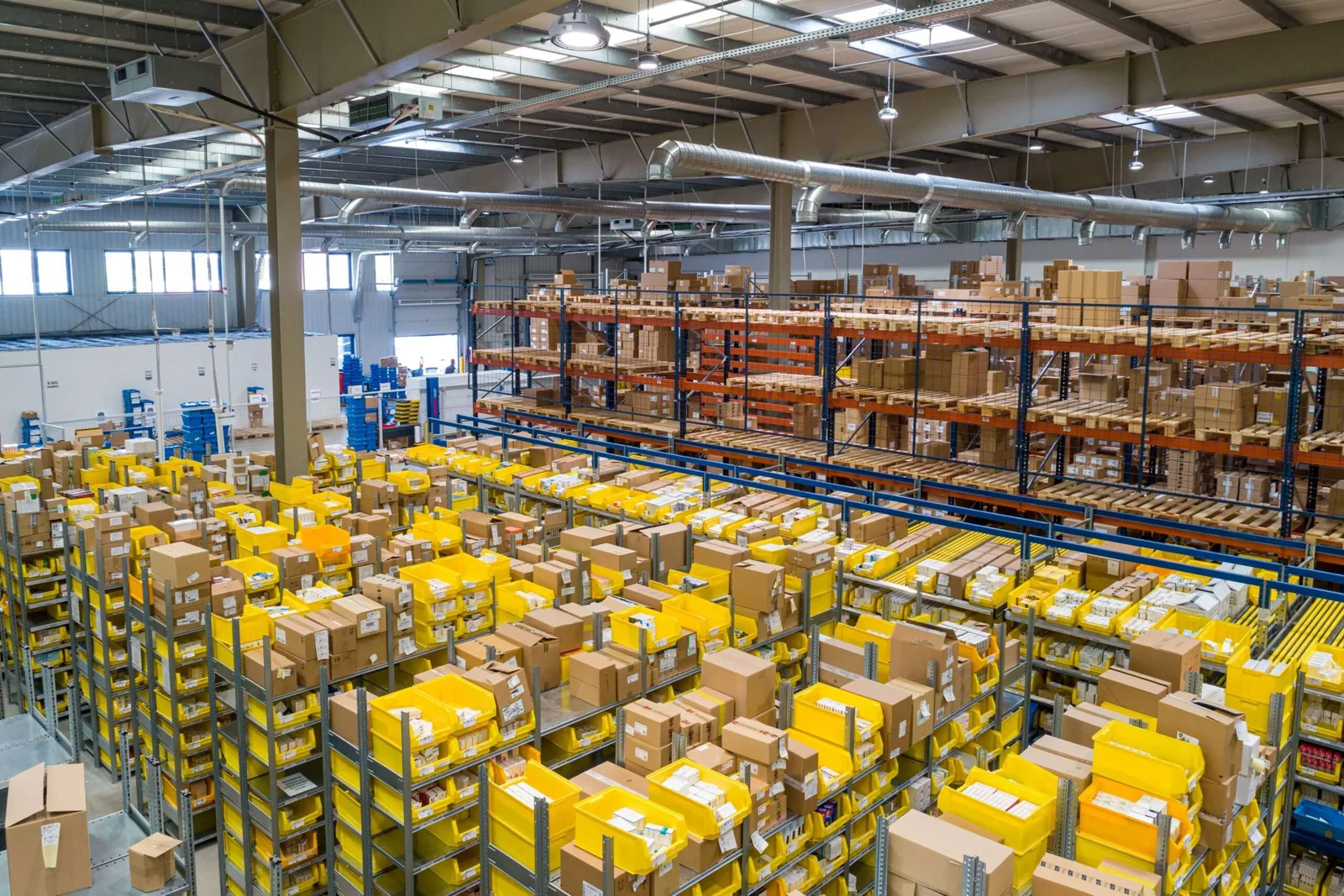
Racking adds a second load path to think about. Tall racks tied to walls or columns can transfer movement to the roof structure when snow loads the frame. We do not engineer racking, but we note where racks sit near walls and flag any roof sag above them to the building engineer.
I-17 ends in Flagstaff at I-40, exit 195. I-40 exits include Flagstaff Ranch Road (192), Woody Mountain Road (194), Butler Avenue (198) and Business Loop 40 west with US 180 (201). Five industrial parks sit near I-40 and I-17, and Pulliam Airport lies about 5 miles south at 7,014 feet. Freight moves through town on those routes. The same method serves a building in Southside and Mike's Pike, near the airport technology park or out along I-40 in Bellemont and Williams. Each building gets a walk on its own terms, and the file lists the system, age, drains, equipment and condition. A distribution center roof and a smaller warehouse roof get the same method at different scale.
The dock side of a building takes more wear than the rest. Trucks back in, plows push snow against walls, wind drives rain and melt at overhead doors, and canopies hold ice. Edge metal and coping loosen first. A loose edge is where wind starts to peel a roof.
We check edge metal, coping and gutters on every visit, looking for gaps, short fasteners and failed sealant. Canopies and dock roofs get the same look, since a leak at a door lands on staging space. We mark slide zones above doors and drive aisles and recommend snow guards or ice belts. Where a plow or truck has hit the metal, we repair it before the field, because edge failure spreads. Every run of metal is logged by number, so a future walk can tell whether it is holding.
Dock seals and canopies sit under the same roof edge. Compressed seals leak air, and warm air from the building melts snow on the roof edge that refreezes at the eave. Ice then loads the gutter and sends water back under the metal. We flag the pattern, recommend air sealing at the door and repair the edge damage the ice has done.
Wide roofs rely on drains. Snow can bury a drain, and when a thaw arrives the water has nowhere to go; a pond on a wide roof is a lot of weight. July and August thunderstorms make up the monsoon, and the monsoon accounts for about a third of the year's 20 to 22 inches. Cold returns before October, and the record low of minus 30 degrees F shows what a warehouse roof can face.
Fall brings a drain clearing and a flow test, and overflow openings are cut in wherever a roof has none. Heat cable goes in where ice builds in the same place each winter. Rooftop units can dam water behind them, so we note any unit that sits across the natural flow and propose a cricket or a taper. These fixes are small compared with the cost of wet stock. A numbered drain log shows which outlet clogs again and again.
Yard traffic adds to it. Grit and trash from the yard blow onto the roof and collect in drains. A roof near a busy yard needs more frequent drain checks than a roof set back from traffic. We schedule the extra visits and record them, so the log shows why the interval is shorter.
Logistics runs on a calendar. Peaks bring more trucks and more staff. We ask for the operating schedule at the start and fit the roof scope to the quiet periods. Large projects go in slower months. Emergency repairs go any time, and our response runs around the clock.
Work is phased by section. A crane pick, a debris path and a truck staging area are set away from dock doors and drive aisles. Material deliveries avoid shipping hours. Our occupied building reroofing plan sets the order and the traffic control in writing. Operations staff approve it before the first load arrives. Cold weather limits adhesives and sealants, so permanent work waits for dry, milder months, and winter repairs are temporary and logged.
Call before the first heavy storm. Bring the building list, the roof types and the last walk dates. The sag and drain checks come next, then a risk ranking and cost ranges for every building. A replacement answers to the 2018 building and energy codes and the 2019 Flagstaff amendments.
An operator that owns its buildings can use the same file at a sale or refinance, the way real estate investors and REITs do. Operators with production on site share needs with manufacturers, including process loads and shutdown planning. One file format covers every site, so a regional manager can compare roofs and plan spending.
Look for ceiling sag, bowed purlins, sticking doors and new cracks at wall tops. If you see any, clear the area and call. Post the number near the dock office.
Emergency repairs can. Planned projects are better in slower periods. Give us your calendar and we will fit the work to it.
Marked plow lines, bollards where needed and a quick edge check after each big plow day. We repair bent metal before it opens.
Mostly on sloped sections and canopies above doors. Flat roofs rely on drains and drift control. We check each roof and advise.
Stop the water first. We tarp or patch, then record the cause and location. Photos and a dated log help with claims.
Browse the services, roof systems and building types we work with across Flagstaff and nearby Arizona communities.
A walk of the roof with photos, findings and a written scope.
Active leaks, storm damage and blocked drains get a fast response.
Roofing across Flagstaff and nearby Arizona communities.