
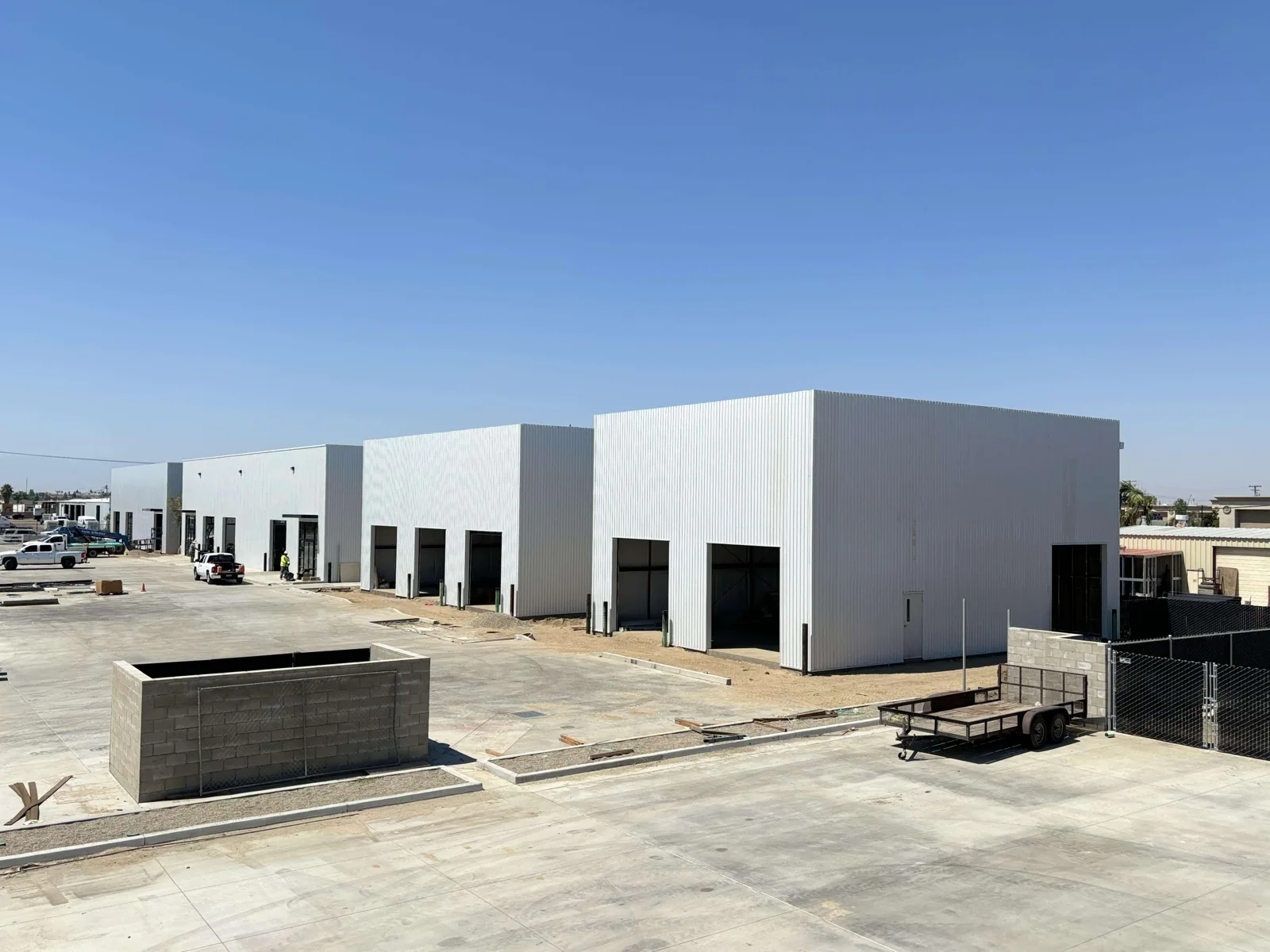
A roof schedule is a weather schedule in Flagstaff, AZ. The cold is back by late September, 90 to 97 inches of snow fall in an average year and the record low is minus 30 degrees F. A general contractor who sets the roof date without checking those numbers ends up with an open deck in November. Adhesives and sealants do not cure in the cold. Insulation gets wet and stays wet. So the plan starts with the calendar, works back from the dry-in date and ends with a closeout file the owner can use for years.
The superintendent needs a roofer who answers the calendar question first.
The roof must be watertight before winter. That is the first rule in Flagstaff. Temporary covers fail under snow and wind, and wet insulation under a membrane does not dry out. We set the roofing sequence back from the date the building must be dry for interior work, then check it against the freeze date and the monsoon. July and August bring thunderstorms, and the monsoon delivers about a third of the city's 20 to 22 inches of annual precipitation, so the dry window has a wet end too.
If the schedule slips into the cold, the plan changes to temporary membrane, tarped openings and a firm date for the permanent work. We say plainly what the cold allows. Permanent adhesive and welded work needs dry surfaces and suitable temperatures. Winter work is temporary, logged and reviewed in spring.
Structure matters in construction season too. A roof deck takes loads from stacked material, equipment and people before the building is finished. We check stacking plans with the superintendent so insulation bundles and membrane rolls do not overload an unsheathed deck, and so snow does not add to a load the structure was not yet ready to carry.
Most roofing disputes start with scope gaps. Who provides the cover board? Who flashes the curbs? Who sets the edge metal and the snow guards? We read the drawings and the specification, then write a scope that names each item and its responsible party. Gaps get flagged before bid day with a proposed fix and a price.
Snow changes the scope. Curb heights, drift loads at parapets and mechanical wells, snow guards, heat cable and overflow drains all belong on the list. A roof insulation and cover board package can be broken out as its own line, and so can edge metal, coping and gutters. Drawings should be checked against the 2018 building and energy codes with the 2019 amendments to City Code Title 4. We check insulation and fastening against the drawings and raise any conflict before material is ordered.
Pricing follows the scope. Unit prices for tear-off, insulation, membrane, flashing and metal are stated separately, with allowances for unknowns such as deck repair. A contractor can compare bids line by line and see where one bidder carried a cost another left out. When a renovation hides conditions, we list the assumptions and the unit price for changes, so a surprise on the roof becomes a priced event and not an argument.
The roof goes in after the structure and before the heavy mechanical loads, and the window is narrow. We agree on material delivery, the lift plan, the hours and the order of areas. If the mechanical contractor will set units during the install, the curbs go in first and the sequence is written down.
Trucks reach Flagstaff on I-40, and I-17 ends there at exit 195. The Butler Avenue exit (198), Woody Mountain Road (194) and Business Loop 40 west (201) are the usual ways off the interstate. We schedule trucks and cranes to avoid pours and inspections, and we stage materials where snow and wind will not damage them. On tight sites, such as downtown near the BNSF line and Route 66, access gets its own planning step.
Hold points belong in the schedule. The deck is checked before insulation. Insulation is checked before membrane. Flashings are checked before they are covered. Third-party inspectors and manufacturer representatives may attend, and an owner may ask for cores or a leak survey at the end. We list the hold points so the superintendent can book inspectors in time. A missed hold point costs more than the inspection would have.
After the roof goes in, other trades go up. Mechanical crews set units, electricians run conduit and low-voltage crews mount antennas. Each visit can puncture the membrane. We recommend protection boards on traffic routes, a hatch log and a rule that anyone cutting a penetration calls the roofer first.
In Flagstaff, an unfinished building takes snow load before the owner takes the keys. Open decks, temporary openings and uncovered insulation gather snow and meltwater. We tarp and tie in every night in the cold season, check temporary covers after each storm and keep a log. A pre-turnover walk records the roof condition with dated photos, so any damage after that date has a known cause. The photos protect the contractor in a punch-list dispute and the owner in a warranty question.
The paper trail finishes the job. We assemble product data, installation records, inspection reports, photos and warranty documents, filed by roof section. The package goes to the general contractor for turnover to the owner. The warranty management file starts here, and an owner who holds the building as an investment, like real estate investors and REITs, carries that record through the hold period.
The same package serves a property management company that takes over the building. It lists drain locations, snow-guard locations, curb heights and the drift lines we marked. Our snow and ice damage review gives the owner a way to document the first winter. For the contractor, a clean closeout means fewer callbacks and a faster final payment.
Call before the roof package goes out. Send the drawings, the schedule and the site address, and we will return a scope and a sequence that fit your critical path and the weather. Roof sizes in town run a wide range. Northern Arizona University has a 111,000 square foot business college complex, and Flagstaff Mall is a single-story center of 347,000 square feet, so a bid package can land anywhere between a single building and a retail center. The package fits either one, and the drawings tell us the roof type.
Work in places like Southside and Mike's Pike or the airport technology park follows the same steps. We check the freeze date, the hold points and the closeout, then give you a short list of what we need from the team and when.
It depends on area and crew size, but plan to be dry before freezing returns in late September. Permanent adhesive and weld work needs milder, dry weather. We set the cutoff from your schedule.
We tarp and tie in, check temporary covers after each storm and keep a log. Wet insulation must come out before the permanent membrane goes on. We state that in the schedule.
The scope names the party. We prefer curbs set before the membrane so flashing can be built in, and we set heights for drift depth.
Yes, with questions flagged. Gaps in the drawings get a proposed solution and a price. Snow load details and drain provisions are checked first.
Product data, installation records, inspection reports, photos and warranty documents, filed by roof section, plus drain, curb and snow-guard locations.
Browse the services, roof systems and building types we work with across Flagstaff and nearby Arizona communities.
A walk of the roof with photos, findings and a written scope.
Active leaks, storm damage and blocked drains get a fast response.
Roofing across Flagstaff and nearby Arizona communities.