
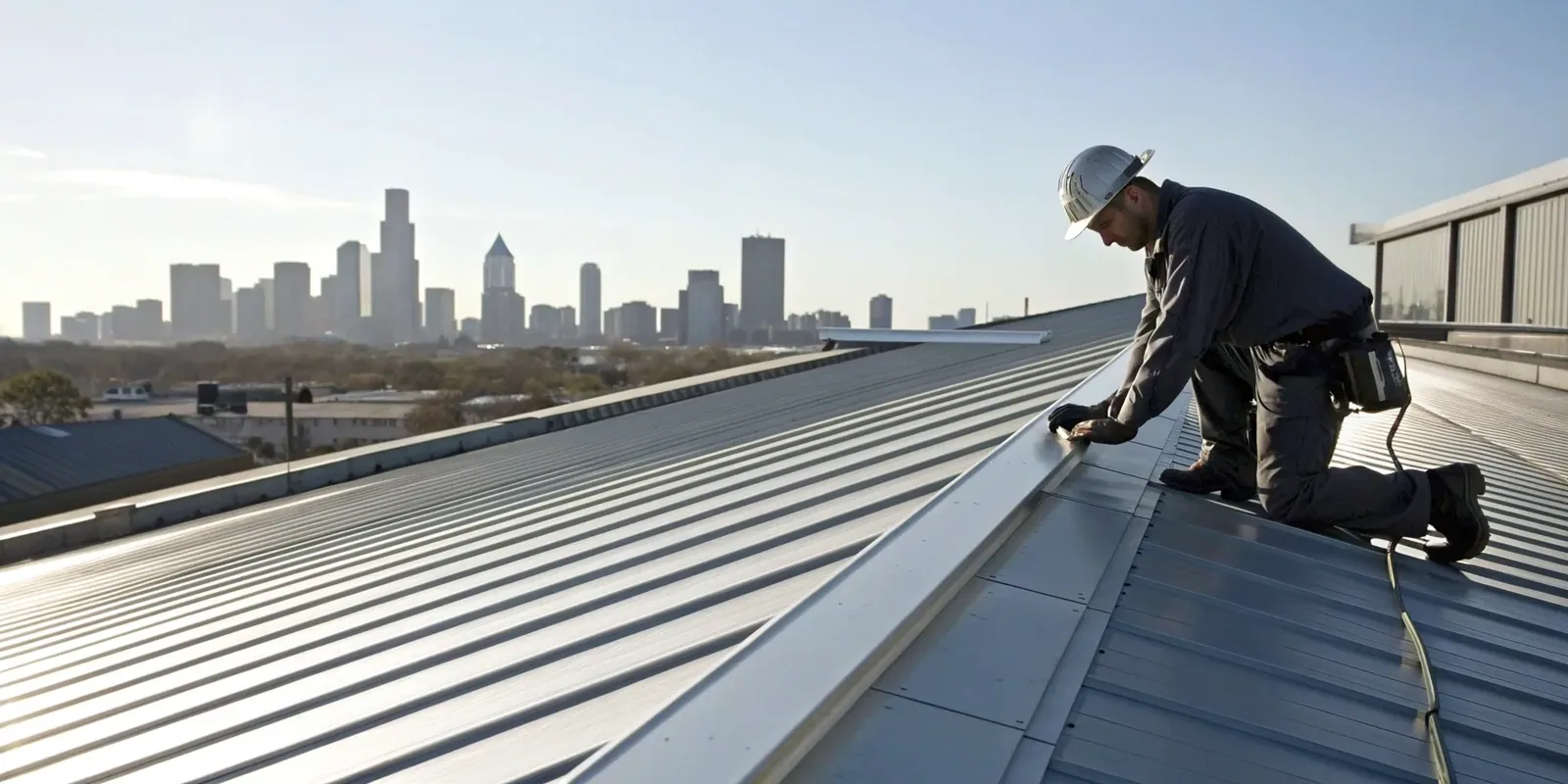
Document first, repair second, argue never. A claim is won on paper. In Flagstaff, AZ the paper is snow, ice, melt and monsoon rain, and each one leaves different marks. The record you build in the first week decides how the carrier reads the loss.
We are the roofer. We are not the adjuster, and we do not decide coverage. We describe what the roof shows, in plain terms and with photographs. The carrier makes its own decision.
Start with safety. If the building shows signs of overload, clear the area and call. Officials counted several collapsed roofs once the late February 2023 snow, up to 24.5 inches in places, had settled. Officials told owners to watch for drooping ceilings, bent trusses and heavy leaks. Put each one in the claim notes.
Then limit the damage while the carrier is still deciding. Seal the active leak with a temporary patch. Shift inventory away from the drip line. Tarp the equipment under it. Save every receipt for the claim file. Carriers expect owners to limit further damage, and the cost of doing so belongs in the file.
Photograph everything before it changes. Take wide shots and close shots. Include dates and a reference object for scale. Photograph interior stains, damaged ceilings and the roof surface if it is safe to see. Our emergency roof repair crews photograph as they work.
Call the city and county line if the structure shows warning signs. A line run jointly by the city and the county takes calls about structural roof signs after heavy snow. Note the date and time of your call. The note belongs in the claim file.
Carriers look for cause. Storm damage is sudden: a torn flashing, a bent coping run, a split seam after a snow slide. Wear is gradual: chalking, dry sealant, a membrane at the end of its life. A single loss can involve both. A worn seam fails under snow load.
We separate the two in the report. We note what looks storm-related, what looks like age and what is unclear. We do not stretch the damage, and we do not hide old conditions. A plain description holds up better than an inflated one.
Weather records help. We note the date and the event: a heavy snow, a freeze-thaw swing, a monsoon cell. A July leak and a February leak point to different causes, since the monsoon brings about a third of the year's precipitation.
Flood and fire add their own wrinkles. Monsoon flash floods followed the 2022 Pipeline and Tunnel fires, and the city names the Schultz Creek watershed and Highway 180 neighborhoods as flood-risk areas. For a building near Highway 180 or Doney Park, we note whether water entered through the roof or from grade, because carriers treat them differently.
Visual damage is only part of the story. Water travels under the membrane and soaks the insulation. A scan finds it. An infrared moisture survey maps the wet zones, and cores confirm what the scan shows.
A drone helps when snow or ice makes the roof unsafe. A drone roof inspection captures images of drifts, torn sections and drainage from above without a person stepping on the roof. It does not replace a hands-on check, but it gives a safe first look.
All of it goes into one file with dates and locations. A reviewer can see what was found, where and when.
Timing matters for evidence. Ice melts, drifts slide and debris gets cleared. A scan done two weeks after the storm can miss what a scan done in two days finds. We move fast and photograph early, so the record shows the roof as the storm left it.
The scope states what must be done to restore the roof. It lists the area, the materials and the method. It separates emergency work from permanent repair. It notes code items that apply. A repair scope should match the code editions Flagstaff has adopted, which date to 2018 with local amendments from 2019.
Our estimate splits the scope into priced sections. A carrier can approve part and question part. Clear sections make that easier. We describe each item in words a reviewer can follow and attach the photograph that supports it.
If hidden damage turns up during repair, we stop, photograph it and report it. A supplement then follows, with the evidence attached.
Code upgrades can change the price. If a repair triggers current insulation or flashing requirements, the scope should say so and cite the edition. We flag those items in the estimate with a note, so the carrier sees why they are there.
A manager with a claim open still has tenants to run. We take the claim paperwork off that list. We meet the adjuster on the roof if the carrier asks. We answer questions about the damage and the repair. We send the record in a form the carrier can file.
We keep copies of everything: photographs, estimates, invoices, weather notes and repair logs. The owner receives a set, and we keep a set. If a question arises months later, the file answers it.
Owners with several buildings keep one file per building and one summary. That summary ranks the losses and shows the status of each claim. It saves time at renewal and at the next storm.
Deadlines matter. Policies set notice periods and proof-of-loss dates, and a missed date can sink a claim. We keep a dated log of each step and remind the owner when a deadline approaches.
Older roofs in the Railroad Addition Historic District sit on masonry buildings. Parapets, coping and flashing on masonry need close photographs. Record the parapet line the same way each season. Downtown Flagstaff owners should keep photographs of the parapet line before and after winter.
Flat roofs elsewhere show ponding, torn seams and failed drains after a heavy melt. When the loss needs storm damage roof repair, the repair record and the claim photographs go into one file. A reviewer from the insurance and restoration side can read that file in one sitting.
Interior stains, sagging ceilings and active leaks, before anything is moved or dried. Then the roof surface if it is safe, with wide and close shots and dates. Photograph again after temporary repairs. Carriers read these sequences to see what changed and when.
No. The carrier decides coverage. We document the roof's condition, the cause as we see it and the scope of repair. We separate storm damage from wear. A fair record helps every party.
Yes, and you should. Stop active water and protect the property. Keep receipts and photographs of the damage before and after. Carriers expect owners to limit further loss, and the cost belongs in the claim.
We walk the roof with the adjuster if asked, show the photographs and cores, and explain each line. If hidden damage appears during repair, we stop and document it. A supplement with evidence usually resolves it.
As long as you own the building, and longer if a warranty or claim is open. Keep a copy off site. Buyers and lenders ask for them.
Browse the services, roof systems and building types we work with across Flagstaff and nearby Arizona communities.
A walk of the roof with photos, findings and a written scope.
Active leaks, storm damage and blocked drains get a fast response.
Roofing across Flagstaff and nearby Arizona communities.