
On a campus, the long spans are the first to worry about. The big domes and halls go first, then the lab wings, then the small classrooms. Snow loads them all, and the long ones feel it most. In Flagstaff, AZ, those spans sit under 90 to 97 inches of snow a year.
Get each roof walked before the first heavy storm. Send the building name, its roof type and when the roof was last walked. We time the sag and drain checks around classes and events.
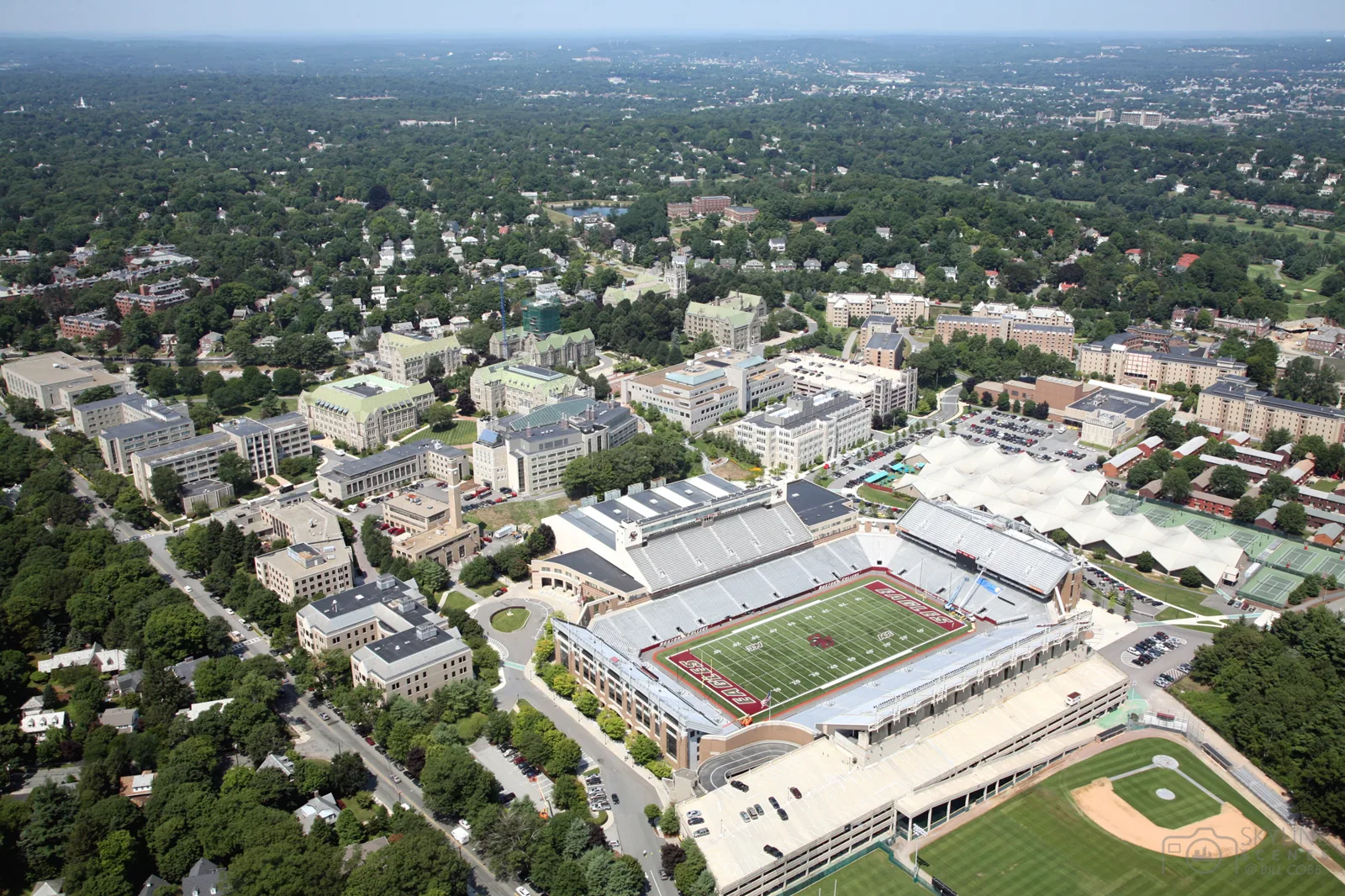
Northern Arizona University runs large buildings on its Flagstaff campus, including the Walkup Skydome and a business college complex of 111,000 square feet. A dome is a long-span roof, and long spans carry snow with the least help. That puts the dome and any hall like it at the top of the snow walk.
Several roofs collapsed after the late February 2023 storm, and the city's warning list included sagging ceilings and bowing trusses. Facilities staff should be able to spot those signs. A sagging ceiling over a lecture hall is a structural flag. Close the room, call an engineer and let us check the roof.
Drainage ties the plan together. Long roofs need several drains and a way out for water when one fails. Overflow scuppers at the right height give a second path. We check each at the start of winter and after each major thaw.
A campus grows in layers. Roof types, ages and repair histories vary building to building. Rooftop units and added equipment make each of them a different walk. Residence halls, labs, libraries, dining halls and athletic buildings each have different roofs and different space below.
The calendar is much like that of a school, and the phasing rules resemble those on a hospital. Pine needles are a drain problem on the main campus, which stands at 6,950 feet among ponderosa pines near the Butler Avenue and Lone Tree Road corridor.
Graduation and game days put crowds under the eaves on dates set months ahead. A leak during graduation week hurts far more than the same leak in a quiet week. We ask for the event calendar before the walk and book repairs around it. We check the drains for needle buildup on that walk as well.
Start with the long spans. Gyms, domes, halls and auditoriums carry the most snow. Look from inside for bows, cracks and stains. Then walk the roof. Check drains, scuppers and expansion joints. Find the drift lines. Mark the lower roofs under higher ones, where sliding snow lands.
Walkways matter on a campus. Students cross under eaves all day. Check snow guards, heat cable and signs. Close the walkway below before anyone clears a roof. Photograph each roof from fixed points in fall, so next year's walk can compare. Our commercial roof inspection runs in this order and ends with a separate report for every building.
Look hard at the rooftop equipment on lab buildings. Fume hoods and exhaust vent through the roof, and residue can soften some membranes. Check curbs for gaps, rust and loose fasteners. Mark units over labs and libraries on the plan, since a leak there costs more than a leak over a hallway.
Flagstaff sees 20 to 22 inches of moisture in a year. Roughly a third falls in the July and August monsoon, when classrooms are quiet and leaks go unseen. Walk the roofs in August, before students return. Freezes return by late September, and Flagstaff has recorded minus 30 degrees F.
Melt in winter loads the drains and edges. Ice builds at eaves and dams the next melt. On a campus, falling ice is a safety risk too. We fix the edge detail, add retention where it helps and give facilities a list of roofs that need clearing first after each storm.
Plan for the spring thaw. When snow melts quickly, drains carry the load all at once. A drain that was clear in December may be blocked by March. Walk the roofs in the first warm week and test flow. A short check then prevents a flood in a lecture hall or a library.
Campus work follows the academic calendar. Large jobs go in summer. Small repairs happen in term, away from classrooms and events. Work on a dome or gym goes around game days. Staging stays off main walks and bus stops. Crews are badged and briefed.
Snow removal follows a plan. Name who goes up. Roofs over high-traffic walks go first. Use plastic tools. Clear drains first. Keep loads even. Whoever works a snowy roof wears fall protection and has a clear way down.
Residence halls need extra notice. Residents sleep at odd hours, and loud work above a bedroom is a complaint waiting to happen. We schedule work in halls during breaks where we can, and notify residents in advance when we cannot.
Repair local failures. Where wet insulation spreads across wide areas, put a commercial roof replacement into the summer break. Infrared work and a few cores map how far the wet insulation reaches. A dry roof with a deck that can carry a second layer may take a recover, though a campus building has little spare capacity under snow load.
Plan the next few budget years now. Roofs with rooftop solar or planned equipment should be repaired or replaced first. Our solar-ready roofing work prepares attachment points and drainage, so a later install does not require rework.
Warranty and records matter on a campus with many roofs. Log each repair, keep the paperwork and update the roof plan. Over a few years the file shows which roofs are holding and which are sliding toward replacement. A capital committee can read that file at a glance.
Keep one roof inventory for the whole campus: type, age, last walk, open items, span and use. Rank by consequence, then condition, then snow exposure. Spend in summer windows. Walk each roof in fall and after the thaw. Ring us ahead of the first storm with the building address and your last walk date. A campus that sprawls from Downtown Flagstaff outward should still keep one format for all buildings.
Record deferred items with a recheck date and the trigger that should prompt a call.
Close the walkway below, set a clear zone, and clear in sections. Use plastic tools and fall protection. Roofs over high-traffic paths go first. Never let students or volunteers on a snowy roof.
Small repairs can. Large work waits for breaks. We stage away from walks and entrances, schedule loud steps for off hours and close each section in daily.
Long spans over gyms, domes and halls. They carry the most snow. Watch for sag, bowing and sticking doors, and call an engineer if you see them.
By consequence first, then condition, then snow exposure. A roof over a lab or a lecture hall ranks above one over storage with the same membrane.
Photos, moisture readings, the scope, materials used and a closeout summary. Those papers feed the budget and the insurance file, and they show the next roofer what is already under the sheet.
Browse the services, roof systems and building types we work with across Flagstaff and nearby Arizona communities.
A walk of the roof with photos, findings and a written scope.
Active leaks, storm damage and blocked drains get a fast response.
Roofing across Flagstaff and nearby Arizona communities.