Ten roofs on one day of snow is not ten small problems. It is one big one. Commercial Roofing Flagstaff runs multi-site roof programs for owners and managers in Flagstaff, AZ who hold several buildings: one schedule, one report format, one point of contact. When the storm comes, the program already knows which roof to reach first.
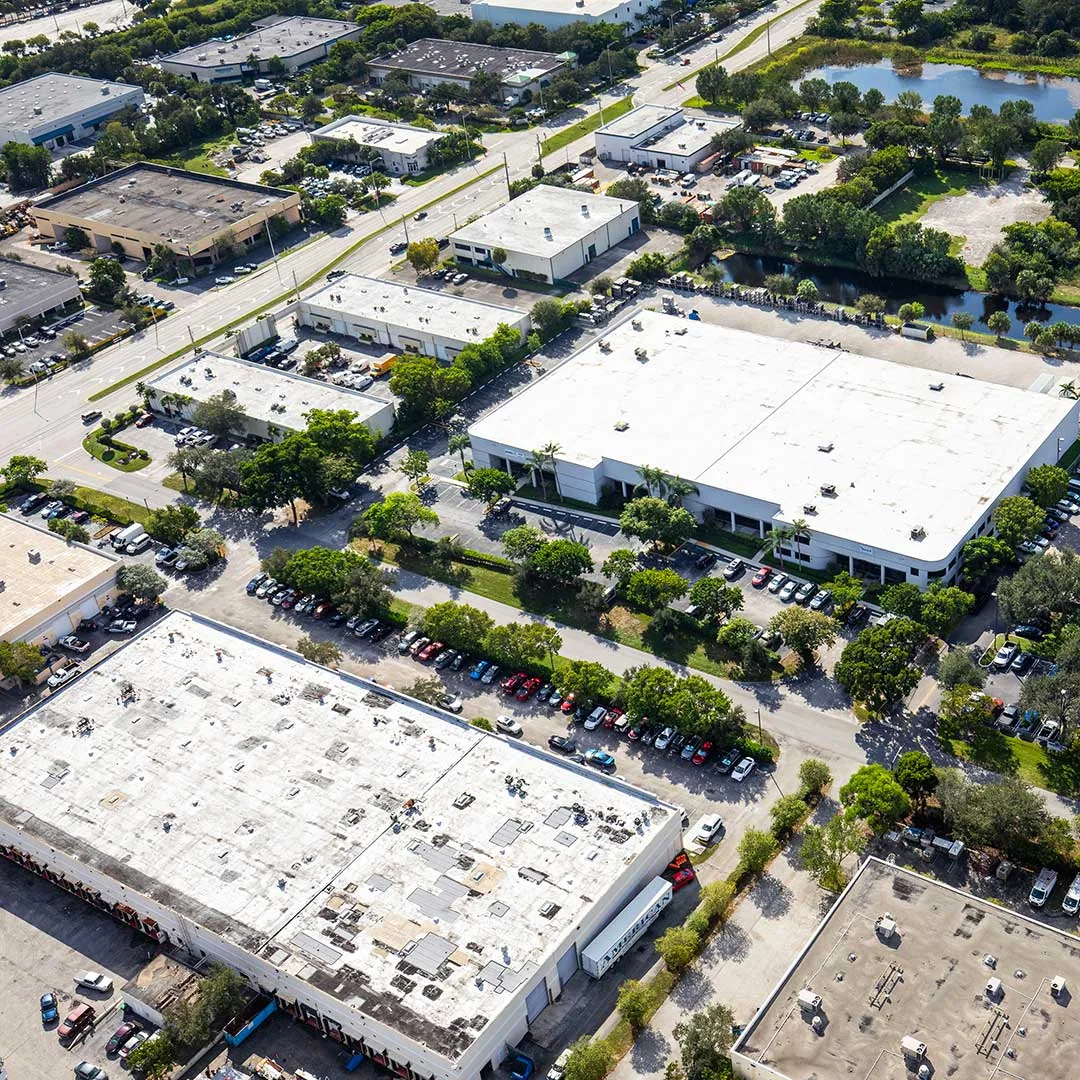
The hard part of a portfolio is order. A manager cannot walk every roof the morning after a heavy storm. A program gives that morning a list, ranked by risk, with drains, drift lines and sag readings already mapped.
A program has four parts, and each one repeats on every building.
Because every roof is recorded the same way, a manager can compare a downtown parapet roof with an industrial low-slope roof on the same page. That comparison is what lets the budget follow risk, not habit.
The program feeds the asset record for each building and supports the capital plan for the whole set.
One person owns the program on our side. That person knows the portfolio, keeps the calendar and answers the phone when a manager calls from a parking lot with a stained ceiling. Handing the same set of roofs to a different crew each visit loses the history, so the program keeps crews and notes consistent from walk to walk.
Portfolios here spread along the interstates. I-40 runs east-west through Flagstaff, and I-17 ends there at exit 195. A set of buildings might include a downtown property, a retail roof near Butler Avenue at exit 198 and an industrial building farther out.
Distance matters in winter. Bellemont sits about 11 miles west-northwest of Flagstaff on I-40, at roughly 7,100 feet, and Williams is about 42 miles west, at 6,916 feet. Roads in winter slow a crew, so a program stages crews and materials ahead of a forecast storm instead of after it.
We schedule visits by route, grouping buildings that share a corridor, so a crew can walk several roofs in one trip. That cuts mobilization and keeps the calendar tight. Snow falls at Williams to about 65 inches a year, mostly between November and March, so that town's fall visit is booked ahead of the first storm.
After a major snow, the program runs a triage. Roofs flagged as watch or act go first, then roofs over occupied critical space, then the rest. Each stop covers drains, sag signs, ponding and entry points, with a same-day report back to the manager.
A fair test of any plan is the storm in late February 2023, which had put 24.5 inches on some areas by March 2. Officials counted several collapsed roofs and told owners to check for sagging ceilings, bowing trusses and severe leaks. A program tells the manager which of their buildings share those risks, and in what order to look.
Emergency calls run around the clock, holidays included. A building in the program gets a temporary dry-in when water enters, and the repair is scheduled for the next workable window, with the temporary work documented so it can be replaced properly.
Occupancy shapes the order. A roof over a clinic, a production floor or a records room moves up, because a leak there stops work. Access shapes it too: a roof with a safe hatch and clear drains is a fast visit, and a roof with a buried drain and a locked mechanical room needs a plan before the crew arrives.
Programs suit any owner with more than a few roofs. A property management company that handles offices, retail and industrial buildings for several owners needs one report format that each owner can read. A school district or a public agency may hold buildings of different ages with a single facilities budget. A retail group wants the same standards at each location.
Flagstaff Unified School District, Northern Arizona University and Flagstaff Medical Center are among the town's major employers, and each operates facilities of its own. Whatever the organization, the principle is the same: group the roofs, set the calendar and let the data decide the spending.
Retail and restaurant operators with several locations can use the same structure through our work with retail and restaurant chains, with a standard walk and standard photographs at every site.
Bundled work costs less to manage. One scope, one set of insurance and permit paperwork, and one schedule replace many small jobs. Phasing smooths the budget: replace the worst roofs this year, repair the middle group and let the stable ones ride on maintenance. The ranking decides the order, and it can move after any winter.
Reserves become easier to set. When every roof has an age, a condition and a likely action year, the owner can fund a reserve to match. The preventive maintenance visits reduce surprise leaks, which lowers emergency spending.
Cost drivers stay visible. Each roof's figure shows the tear-off depth, the insulation, the equipment and the access. Totals add up, and the manager can see which line moved when a number changes.
The portfolio summary closes each year with the numbers an ownership group asks for: spent, saved, deferred and recommended. Deferred items carry a reason and a date, so a decision to wait is a decision on the record.
Three or four roofs are enough to benefit from one calendar and one report format. The value grows with every building added, because the ranking gets sharper and the visits can be grouped by route. A single building is better served by a maintenance plan with the same fall and spring walks.
Yes. Bellemont lies about 11 miles west-northwest along I-40, and Williams about 42 miles west. We schedule those roofs on the same route and use the same report format. Winter travel is part of the plan, so crews and materials go out ahead of a forecast storm.
Baseline walks on every roof come first, in the same window. Then each roof is ranked, minor repairs are done on the spot and larger work is priced. By the first spring walk, the owner has a ranked portfolio, a calendar and a draft budget. Year two is mostly updates.
No. Sound roofs get the basic four visits a year. Watch roofs get extra drain and sag checks in winter. Act roofs get a repair or replacement plan with a date. The program assigns a level to each building after the baseline, and the level changes when the roof does.
The manager or whoever the owner names, the same day. It lists each building visited, what was found and what was done, with photographs. Roofs that need an engineer are flagged by phone first. The summary is short enough to forward to an ownership group or a board.
Browse the services, roof systems and building types we work with across Flagstaff and nearby Arizona communities.
A walk of the roof with photos, findings and a written scope.
Active leaks, storm damage and blocked drains get a fast response.
Roofing across Flagstaff and nearby Arizona communities.