A clinic cannot close for a leak. The snow melts on a Friday, the drain is frozen, and by Monday there is water in an exam room. Snow in Flagstaff, AZ adds up to 90 to 97 inches a year, which is a winter risk for any medical office with a flat roof.
Phone us once the first big storm is forecast. Name the clinic, the roof type and the last walk. Sag and drain checks go on the calendar around your patient hours.
Medical offices have exam rooms, imaging, labs and records rooms under the roof. A leak there stops work and can trigger reports. So the first response is protection: cover equipment, move supplies and stop the water at the entry. The permanent fix follows a plan.
Snow drives winter roof trouble here. The city counted several roof collapses after the storm that put 24.5 inches on some parts of town by March 2, 2023. The warnings were sagging ceilings, bowing trusses and leaks that turn severe. In a medical office, a sagging ceiling tile is not a cosmetic issue. Call an engineer and keep the room closed until it is checked.
Records protect the practice. If water reaches a records room or a supply closet, dated photos and readings show when it happened and what was done. That helps with insurance and with anyone who asks how the building is maintained. We keep the same format for every building, so owners with several sites can compare them quickly.
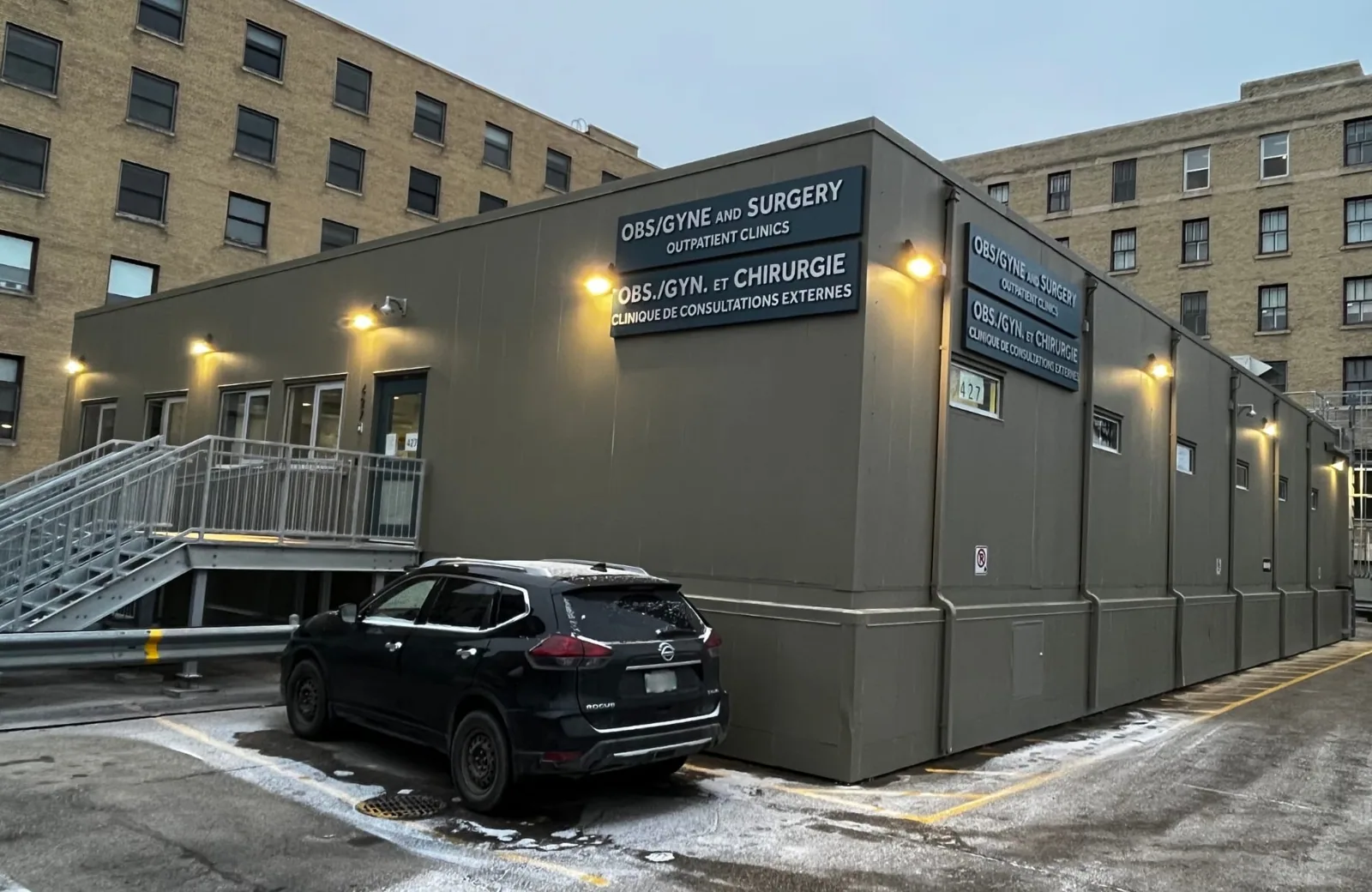
Health care is a big part of the Flagstaff job market, at 11.4 percent of Coconino County jobs. Flagstaff Medical Center, open since 1936 as a Level I trauma center, had about 2,180 staff in 2017. Clinics, specialty practices and labs work out of separate buildings. A low-rise medical office with a flat roof and rooftop units is a common shape.
A medical office sits between an office building and a hospital. It has the tenant mix of an office and the sensitivity of a hospital, without round-the-clock operations. Owners often lease to several practices. Each tenant has its own equipment and its own rules.
Patients drive to a clinic, so the lot and the entrance decide where a crew can stage. A crowded lot leaves little room for a lift or a dumpster. We map the staging area with the manager before the first day, and we keep accessible routes open for the full length of the job.
Start with exhaust. Sterilizers, labs and dental equipment vent through the roof. Each vent has a curb and a flashing. Residue can soften some membranes. Check for stains, cracks and loose sealant. Then check rooftop units for drifted snow, ice on coils and damaged lines.
Check the drains twice. Once in fall, before freezing returns in late September. Once after the first thaw. Test flow and clear grit. Drift lines go on the roof plan. Shoot every photograph from the same marked spots so one year compares with the next. Our commercial roof inspection follows this order.
Look at rooftop equipment that serves sensitive rooms. A unit over an imaging suite or a pharmacy needs a clean, dry curb and a clear drain path. Mark those units on the plan and put them first on every walk. A leak at one of them costs far more than a leak over a hallway.
Precipitation adds up to 20 to 22 inches in a year. The monsoon supplies roughly a third, with thunderstorms most common in July and August. The drain that carried March melt has to take July's downpour too. A clogged drain does neither.
Winter adds ice. Snow melts by day and refreezes by night. A ridge of ice forms at the eave and backs water under edge metal. With a record low of minus 30 degrees F, the freeze season runs long. We look at eaves, scuppers and valleys and fix the detail that lets water in.
Ice damage shows up in odd places. Condensate lines freeze and burst. Roof hatches freeze shut. Gaskets harden and stop sealing. Walk the hatch, the ladder and the access path in fall, so staff and crews can reach the roof after a storm. A hatch that will not open is a delay you cannot afford when water is coming in.
Medical tenants care about noise, odor and dust. Schedule loud work for early hours or weekends. Locate air intakes and protect them from fumes. Use low-odor products where the building allows. Keep entrances, parking and fire lanes clear. Tell each tenant what will happen and when.
A snow clearing plan is not optional. The list of people allowed up is short. Only plastic tools touch the sheet. Drains are the first thing to open. Close the area below when snow or ice could fall. Roof workers need fall protection and a clear path down. Report anything unusual to the manager the same day.
Fix curbs, seams and flashings first. Once cores show wet insulation across wide areas, plan a commercial roof replacement. A moisture survey maps where to cut them. Where exhaust residue is an issue, consider a sheet that resists it, such as PVC.
Work in sections. Close each section in daily. Protect the rooms below with plastic and drains. Keep a written record of materials, methods and photos. A clean file helps with insurance, lenders and inspectors.
Odors and fumes need a plan. Adhesives and primers can drift into intakes, so we find the intakes, cover or shut them with the tenant's maintenance staff and watch wind direction. Cold-applied or low-odor products suit medical buildings. The scope names the products and the hours.
Keep one page per roof: type, age, last walk, open items and the tenants below. Update it after every storm. Rank by the rooms below first, then age and snow exposure. Owners with buildings across Downtown Flagstaff and East Flagstaff should use the same format for all of them. Tell us the clinic address and your last walk date before the first storm.
A short list of deferred items, each with a date to recheck, keeps small problems from reaching a patient room. Review the list after every storm and every thaw, and move anything that has worsened to the top.
Close the room, protect equipment and call us and the building manager. Photograph the stain with the date. We trace the entry point and seal it, then schedule the permanent repair around your patient hours.
Usually. Noisy steps move to off-hours, air intakes are protected and entrances stay clear. We work in sections and close each one in daily, so nothing stays open overnight.
The lease decides, and the scope helps. We separate common roof work from tenant equipment so the manager can allocate cost under each lease.
Not necessarily. It may be a structural flag. After heavy snow, city officials listed sagging ceilings and bowing trusses as warning signs. Keep the room closed, call an engineer and let us check the roof.
Keep photos, moisture readings, the scope and the materials used. They help with insurance, lenders and inspectors, and they show the next contractor what was done.
Browse the services, roof systems and building types we work with across Flagstaff and nearby Arizona communities.
A walk of the roof with photos, findings and a written scope.
Active leaks, storm damage and blocked drains get a fast response.
Roofing across Flagstaff and nearby Arizona communities.